The Mysterious Tarsier: A Nocturnal Marvel of the Primate World

providencemarianwood.org – Tarsiers, small nocturnal primates with strikingly large eyes and nimble movements, are native to Southeast Asia. Known for their unique appearance and enigmatic behavior, these elusive creatures have fascinated scientists and nature enthusiasts for centuries. This article explores the intriguing characteristics, habitat, and conservation concerns surrounding tarsiers.

Distinctive Physical Features

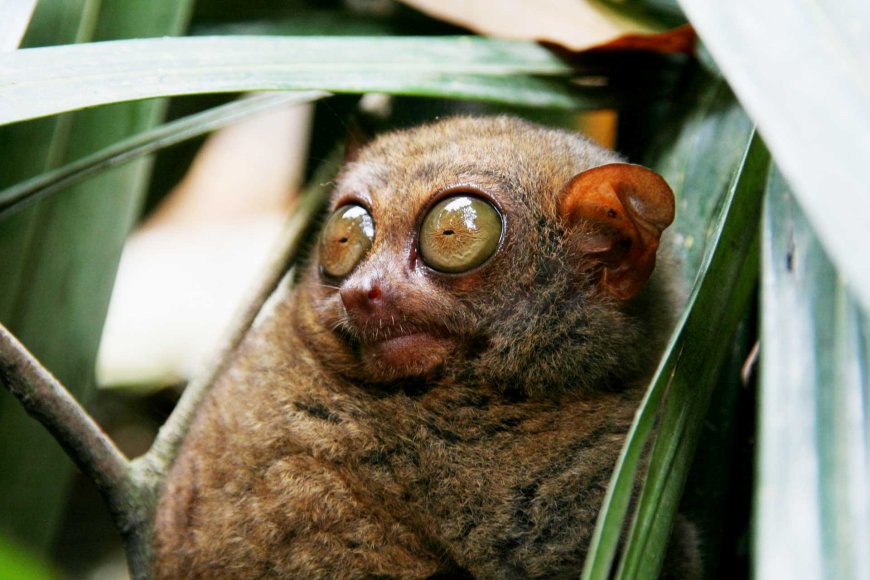
Tarsiers are easily recognized by their oversized eyes, which are proportionately the largest of any mammal in relation to body size. Each eye is as large as the tarsier’s brain, allowing them excellent night vision, a vital adaptation for their nocturnal lifestyle. Their small bodies range between 4 to 6 inches in length, with tails that are often twice as long as their bodies, used for balance as they leap through the forest. Their elongated fingers and toes, tipped with adhesive pads, help them grip tree branches with ease.

Nocturnal Behavior and Hunting

Tarsiers are strictly nocturnal hunters, using their extraordinary vision and hearing to detect prey in the dark. Unlike most primates, they are carnivorous, feeding on insects, small birds, lizards, and even bats. Tarsiers are known for their agility and precision, often leaping from one tree to another in a single bound to catch prey. Their ability to rotate their heads almost 180 degrees allows them to spot movement all around them, similar to owls.

Social Structure and Communication

Tarsiers tend to be solitary or live in small family groups, usually consisting of a male, female, and their offspring. They communicate primarily through high-pitched vocalizations, many of which are beyond the range of human hearing. Scent marking is another important form of communication, especially for territorial purposes. Despite their generally solitary nature, tarsiers display strong bonds between mates and their offspring, with parental care playing an important role in their survival.

Unique Reproductive Traits

Female tarsiers have a relatively long gestation period of about six months, typically giving birth to a single offspring. Newborns are born with open eyes and are able to cling to their mothers almost immediately, a necessary adaptation for arboreal life. The young tarsiers are nursed for about two months but start to explore their environment shortly after birth.

Habitat and Distribution

Tarsiers are found in the forests of Southeast Asia, including countries such as the Philippines, Borneo, and Sumatra. They primarily inhabit tropical rainforests, mangroves, and dense vegetation, preferring areas with thick tree canopies where they can move about undetected. Tarsiers are highly adapted to life in the trees, rarely coming down to the forest floor. Their nocturnal and arboreal habits help them avoid many predators.

Conservation Status and Threats

Many species of tarsiers are listed as vulnerable or endangered, largely due to habitat loss. Deforestation, land conversion for agriculture, and urban development are major threats to their survival. Additionally, tarsiers are sometimes captured for the illegal pet trade or tourist attractions, despite being highly sensitive to captivity. Stress from confinement can lead to death, as these delicate primates require specific environmental conditions and the freedom to move at night.

Conservation efforts are crucial for tarsier populations. Organizations are working to establish protected areas, promote sustainable land use practices, and educate local communities about the importance of tarsiers in the ecosystem. Ecotourism, when done responsibly, also plays a role in raising awareness about these unique primates.

Ecological Importance

Tarsiers play an important role in controlling insect populations, particularly those that are considered pests to agriculture. Their presence helps maintain a balanced ecosystem, as they occupy a specific niche as nocturnal insectivores. In addition, their feeding habits indirectly benefit plant life by reducing the number of herbivorous insects that can damage vegetation.

Conclusion

Tarsiers are among the most fascinating primates, with their large eyes, nimble movements, and solitary nocturnal lifestyle. However, they face significant conservation challenges due to habitat destruction and human interference. Protecting tarsiers is not only important for preserving this unique species but also for maintaining the health of the ecosystems they inhabit. By supporting conservation efforts, we can help ensure that tarsiers continue to thrive in their natural environments.

The World’s Most Dangerous Places: A Traveler’s Guide

providencemarianwood.org – For the adventurous traveler, the allure of visiting some of the world’s most dangerous places can be irresistible. From conflict zones to natural hazard hotspots, these regions offer unique experiences but also pose significant risks. This guide aims to provide insights into some of these dangerous places, offering tips on how to stay safe if you choose to visit.

Conflict Zones

  1. Syria: Despite its rich history and cultural heritage, Syria remains embroiled in a prolonged conflict. Travelers are advised to avoid the region due to ongoing violence and instability.
  2. Yemen: Known for its ancient architecture and stunning landscapes, Yemen is currently facing a severe humanitarian crisis due to war. The security situation is precarious, making it unsafe for travel.

Crime Hotspots

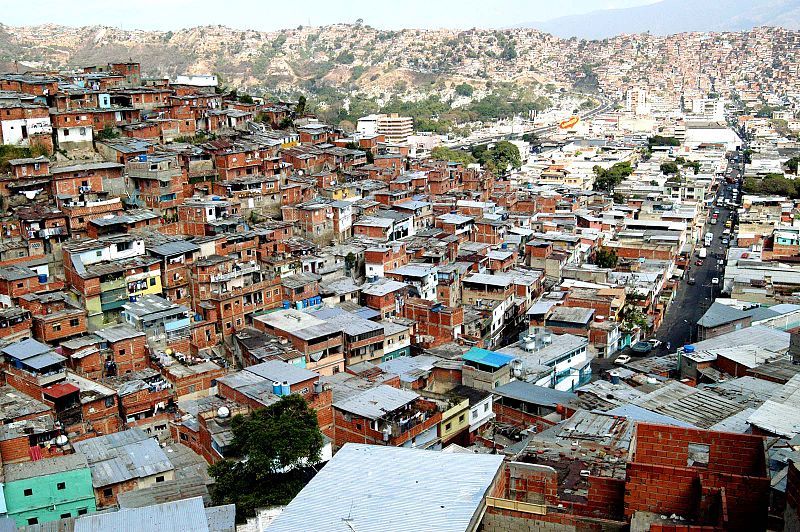
  1. Caracas, Venezuela: With one of the highest crime rates in the world, Caracas presents significant risks related to violent crime and theft. Visitors should exercise extreme caution and consider alternatives.
  2. San Pedro Sula, Honduras: Often referred to as the “murder capital of the world,” this city is plagued by gang violence and drug trafficking. Travelers should remain vigilant and avoid risky areas.

Natural Hazard Areas

  1. Ring of Fire, Indonesia: Known for its breathtaking scenery and vibrant culture, Indonesia is also part of the Pacific Ring of Fire, making it prone to earthquakes and volcanic eruptions. Preparedness for natural disasters is crucial when visiting.
  2. Hurricane Belt, Caribbean Islands: While the Caribbean offers picturesque beaches and a tropical climate, it is also susceptible to hurricanes, especially during the hurricane season from June to November.

Health Risk Regions

  1. Democratic Republic of the Congo: The DRC faces health challenges, including outbreaks of diseases like Ebola. Travelers must ensure they have appropriate vaccinations and health precautions.
  2. Malaria-Prone Areas, Sub-Saharan Africa: Many regions in Sub-Saharan Africa are high-risk for malaria. Travelers should take preventive measures such as antimalarial medication and mosquito netting.

Safety Tips for Travelers

  • Stay Informed: Regularly check travel advisories and local news to stay updated on the situation in your destination.
  • Travel Insurance: Ensure you have comprehensive travel insurance that covers health, accidents, and evacuation.
  • Local Guidance: Seek advice from locals or expatriates who understand the current risks and best practices.
  • Emergency Preparedness: Know your emergency contacts, including local embassies and hospitals, and have a plan for evacuation if necessary.

Conclusion

Visiting the world’s most dangerous places can offer unparalleled experiences and insights, but it requires careful planning and caution. By understanding the risks and taking necessary precautions, adventurous travelers can explore these regions while prioritizing their safety. Always remember that in high-risk areas, flexibility and adaptability are key to a safe and rewarding journey.

El Salvador Education & Health Initiative: World Bank Perspectives

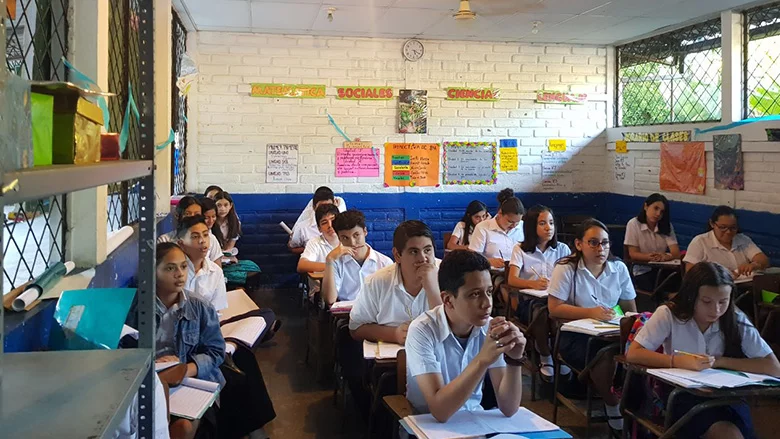
providencemarianwood.org – The World Bank has long recognized the critical importance of education and health in fostering economic development and social progress. In El Salvador, these sectors have been the focus of significant investment and reform, supported by the World Bank’s initiatives aimed at improving access, quality, and equity.

Education Initiatives

The World Bank’s education initiatives in El Salvador are designed to enhance the country’s educational system, making it more inclusive and effective. Key areas of focus include:

  1. Expanding Access to Quality Education: The World Bank has supported programs that aim to increase enrollment rates, particularly among vulnerable populations. This includes the construction and improvement of school infrastructure, the provision of educational materials, and the training of teachers.
  2. Improving Learning Outcomes: Recognizing that access alone is not sufficient, the World Bank has also focused on improving the quality of education. This involves the implementation of curriculum reforms, the introduction of technology in classrooms, and the development of teacher training programs.
  3. Promoting Equity and Inclusion: Efforts have been made to ensure that all children, regardless of their socioeconomic status or geographic location, have access to education. Special attention has been given to indigenous communities, rural areas, and children with disabilities.

Health Initiatives

The World Bank’s health initiatives in El Salvador are centered on improving health outcomes and ensuring that all citizens have access to quality healthcare services. Key areas of focus include:

  1. Strengthening Healthcare Infrastructure: The World Bank has supported the modernization and expansion of healthcare facilities, ensuring that they are equipped to provide essential services. This includes the construction of new hospitals, the renovation of existing facilities, and the provision of medical equipment.
  2. Enhancing Public Health Programs: Efforts have been made to strengthen public health programs, particularly in areas such as maternal and child health, vaccination campaigns, and the prevention and control of communicable diseases.
  3. Promoting Health Equity: The World Bank recognizes the importance of ensuring that healthcare services are accessible to all, particularly the most vulnerable populations. Initiatives have focused on reducing disparities in health outcomes and improving access to healthcare for marginalized communities.

Impact and Challenges

The World Bank’s initiatives in education and health have had a significant positive impact on El Salvador. Improved access to quality education has led to higher enrollment rates and better learning outcomes, while enhanced healthcare services have contributed to improved health outcomes and reduced mortality rates.

However, challenges remain. Budget constraints, geographical barriers, and social inequalities continue to pose significant obstacles to achieving universal access to education and health. Additionally, the COVID-19 pandemic has highlighted the need for resilient healthcare systems and the importance of digital education platforms.

Conclusion

The World Bank’s education and health initiatives in El Salvador represent a comprehensive approach to improving these critical sectors. By focusing on access, quality, and equity, the World Bank is helping to lay the foundation for a healthier, more educated, and more prosperous society. While challenges persist, the progress made to date is a testament to the effectiveness of these initiatives and the commitment of the Salvadoran government and its partners to improving the well-being of its citizens.

The Smallest Penguins in the World: Fairy Penguins

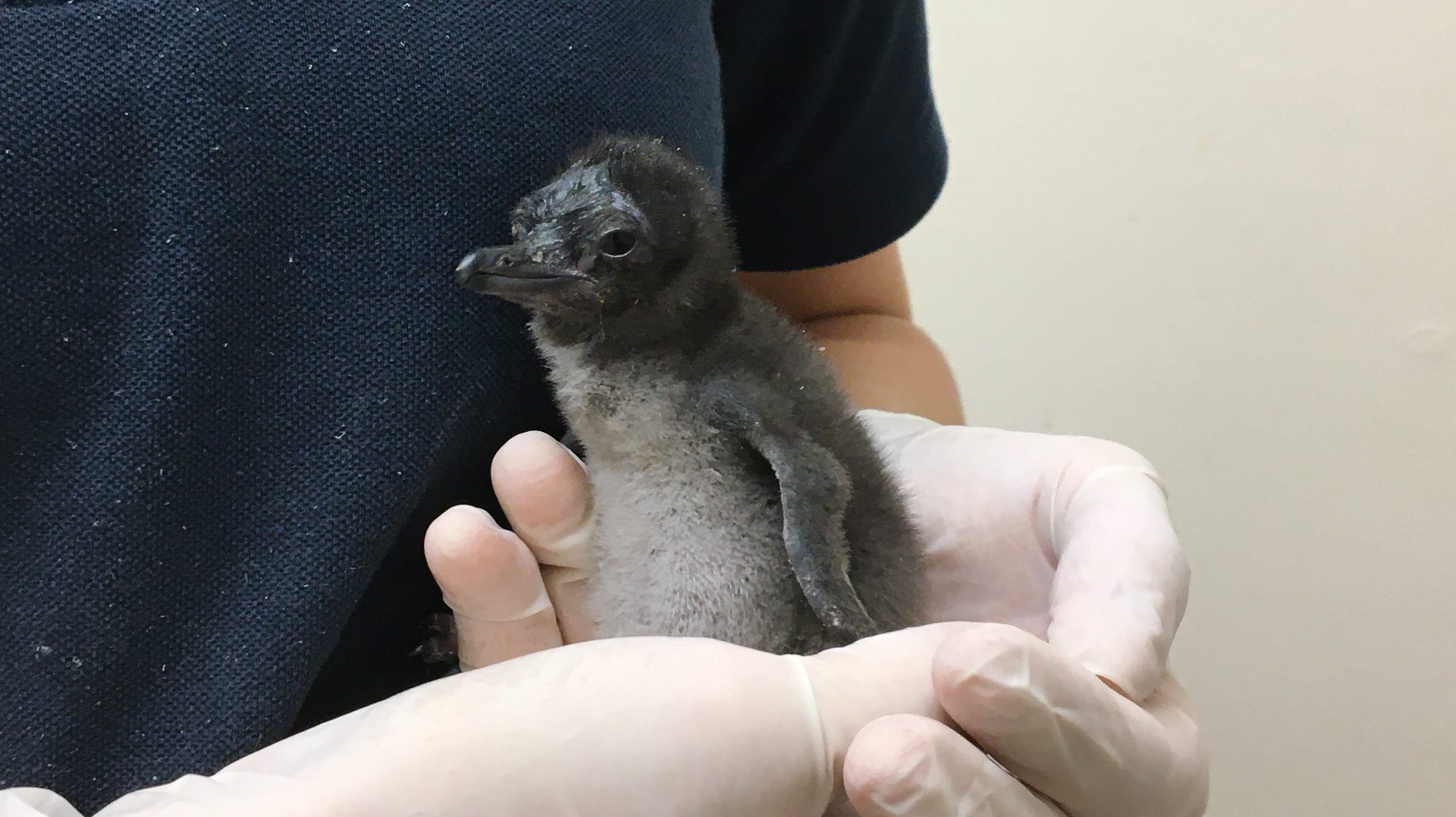
providencemarianwood.org – Nestled within the vast and diverse world of penguins, the Fairy Penguin, also known as the Little Penguin, holds a unique place. Standing at a mere 33 centimeters tall, these penguins are the smallest of their kind. Despite their diminutive size, Fairy Penguins are fascinating creatures with a rich history and an important role in their ecosystem.

The Habitat of Fairy Penguins

Fairy Penguins are primarily found along the coastlines of Australia, New Zealand, and the Basse Islands. Their habitat includes rocky shores, sandy beaches, and even urban piers. These penguins are well-adapted to their environment, using their small size to navigate through narrow crevices and burrows for shelter.

Physical Characteristics

Fairy Penguins are easily recognizable by their blue-grey backs, white bellies, and a distinctive stripe of feathers that runs from the eye to the ear. Their flippers are well-suited for swimming, allowing them to dive deep and catch small fish, krill, and squid. Despite their small size, these penguins are excellent swimmers, capable of reaching speeds of up to 27.4 kilometers per hour.

Behavior and Social Structure

Fairy Penguins are social creatures, often forming large colonies during the breeding season. They are monogamous, with pairs mating for life. The breeding process is a fascinating display of cooperation and dedication, with both parents taking turns to incubate the eggs and care for the chicks.

Conservation Efforts

The Fairy Penguin population faces several threats, including habitat destruction, climate change, and predation by introduced species. Conservation efforts are underway to protect these penguins, including the establishment of protected areas and public education campaigns to reduce light pollution, which can disorient penguins and lead them away from their nesting sites.

Conclusion

The Fairy Penguin is a testament to the incredible diversity of life on our planet. Despite their small size, these penguins play a crucial role in their ecosystem and continue to captivate the hearts of people around the world. As we learn more about these fascinating creatures, it is our responsibility to protect them and ensure their survival for generations to come.

Uprisings That Shaped the Modern World: Revolutions & Rebellions

providencemarianwood.org – Throughout history, revolutions and rebellions have been the catalysts for significant change, shaping the course of nations and the world. These uprisings, driven by a desire for freedom, equality, or a change in governance, have left indelible marks on the fabric of society. This article explores some of the most pivotal revolutions and rebellions that have shaped the modern world.

The American Revolution (1775-1783)

The American Revolution was a pivotal moment in world history, marking the birth of the United States of America. It was a rebellion against British rule, sparked by a desire for independence and self-governance. The revolution, which lasted from 1775 to 1783, culminated in the Treaty of Paris, where Britain recognized the United States as an independent nation. The American Revolution inspired other colonies to fight for their independence and set a precedent for democratic governance.

The French Revolution (1789-1799)

The French Revolution was a period of radical social and political upheaval in France from 1789 to 1799 that profoundly affected the history of the modern world. It began with the Estates-General of 1789 and ended with the fall of Napoleon Bonaparte in 1815. The revolution overthrew the monarchy, established a republic, and experienced a reign of terror that resulted in the execution of King Louis XVI and thousands of others. The French Revolution spread the ideas of liberty, equality, and fraternity, which would influence other revolutions and the development of modern democratic ideals.

The Haitian Revolution (1791-1804)

The Haitian Revolution was a successful slave rebellion that occurred from 1791 to 1804. It resulted in the abolition of slavery and the creation of the first independent nation in Latin America and the Caribbean, the Republic of Haiti. The revolution was a significant blow to the institution of slavery and inspired other slave populations in the Americas to fight for their freedom.

The Russian Revolution (1917)

The Russian Revolution of 1917 was a major event in world history, overthrowing the Russian Empire and leading to the rise of the Soviet Union. The revolution was a series of uprisings, two major ones in February and October, which led to the abdication of Tsar Nicholas II and the establishment of the Bolshevik government under Vladimir Lenin. The Russian Revolution marked the beginning of the Soviet era and had a profound impact on global politics and the spread of communism.

The Chinese Revolution (1949)

The Chinese Revolution, culminating in 1949, was a civil war that resulted in the Communist Party of China (CPC) led by Mao Zedong emerging victorious. The revolution ended the rule of the Kuomintang (KMT)-led Nationalist Government and established the People’s Republic of China. The Chinese Revolution was a significant event in the 20th century, reshaping China’s political landscape and influencing the Cold War dynamics.

Conclusion

Revolutions and rebellions have been the crucibles of change, forging new nations and ideologies. From the American Revolution’s fight for independence to the Chinese Revolution’s establishment of a communist state, these uprisings have left a lasting legacy on the modern world. They remind us of the power of collective action and the enduring human desire for freedom and self-determination. As we look to the future, the lessons of these revolutions and rebellions continue to inspire and inform movements for change around the globe.

Exploring the World’s Celebrations: Cultural Festivities

providencemarianwood.org – Cultural festivities are the vibrant tapestry that weaves together the diverse threads of human tradition, history, and identity. These celebrations, often deeply rooted in the heritage of a community or nation, are expressions of joy, gratitude, and reverence for the past, present, and future. They are a testament to the human spirit’s capacity for creativity, resilience, and unity in diversity. From the bustling streets of New York during St. Patrick’s Day to the serene waters of the Ganges during Diwali, cultural festivities are a global phenomenon that transcends borders, languages, and religions.

The Significance of Cultural Festivities

Cultural festivities serve multiple purposes. They are a means of preserving and transmitting cultural heritage from one generation to the next. Through music, dance, food, and rituals, these celebrations encapsulate the essence of a community’s history and values. They also play a crucial role in fostering social cohesion and solidarity. By bringing people together in shared experiences of joy and reflection, cultural festivities strengthen the bonds within a community and between different communities.

Moreover, cultural festivities are an economic boon for many regions. They attract tourists from around the world, contributing to local economies through accommodation, dining, shopping, and entertainment. This not only supports local businesses but also promotes cultural exchange and understanding on a global scale.

Exploring the World’s Celebrations

The world is home to a myriad of cultural festivities, each unique in its customs and significance. Here are a few examples that showcase the diversity and richness of these celebrations:

  1. Carnival in Brazil
    The Brazilian Carnival is a riot of color, music, and dance that takes place before the beginning of Lent. It is the largest carnival in the world, with millions of participants and spectators. The celebration is a blend of indigenous, African, and European influences, featuring elaborate costumes, floats, and samba schools parading through the streets.
  2. Diwali in India
    Known as the Festival of Lights, Diwali is one of the most significant festivals in India. It symbolizes the victory of light over darkness, good over evil, and knowledge over ignorance. Homes are decorated with lamps, fireworks light up the sky, and sweets are shared among families and friends. Diwali also marks the beginning of the Hindu New Year, bringing hopes of prosperity and happiness.
  3. Oktoberfest in Germany
    Originating in Munich in 1810, Oktoberfest has grown into a world-renowned celebration of Bavarian culture. It is known for its beer gardens, where people gather to enjoy traditional German beer and food. The festival also features carnival rides, games, and live music, making it a lively affair that attracts millions of visitors each year.
  4. Chinese New Year
    Celebrated by Chinese communities worldwide, Chinese New Year, or Spring Festival, marks the beginning of the lunar new year. It is a time for family reunions, feasting, and giving red envelopes filled with money for good luck. The festival is characterized by dragon and lion dances, fireworks, and parades, symbolizing the end of winter and the promise of a new beginning.
  5. Mardi Gras in New Orleans
    Mardi Gras, or Fat Tuesday, is a festival that precedes the Lenten season in New Orleans. It is famous for its elaborate parades, balls, and street parties. Each parade is organized by a “krewe,” which designs floats and costumes around a specific theme. Mardi Gras is a celebration of indulgence before the fasting and penitence of Lent.

Conclusion

Cultural festivities are more than just celebrations; they are living expressions of our collective human heritage. They remind us of our shared humanity and the beauty of diversity. By participating in and appreciating these celebrations, we can foster a greater sense of empathy, respect, and unity in our increasingly interconnected world. Whether through the vibrant colors of Holi in India, the solemn processions of Semana Santa in Spain, or the joyous sounds of jazz during New Orleans’ Mardi Gras, cultural festivities invite us to explore, learn, and celebrate the rich tapestry of human culture.