Tuning In: The Science of Hearing – The Anatomy of the Ear

providencemarianwood.org – Hearing is one of our most essential senses, allowing us to connect with the world around us through sound. From the gentle whisper of a breeze to the lively chatter of a crowded room, our ability to hear enriches our lives in countless ways. “Tuning In: The Science of Hearing” delves into the fascinating mechanics of how we perceive sound and the intricate processes involved in hearing.

The Anatomy of the Ear

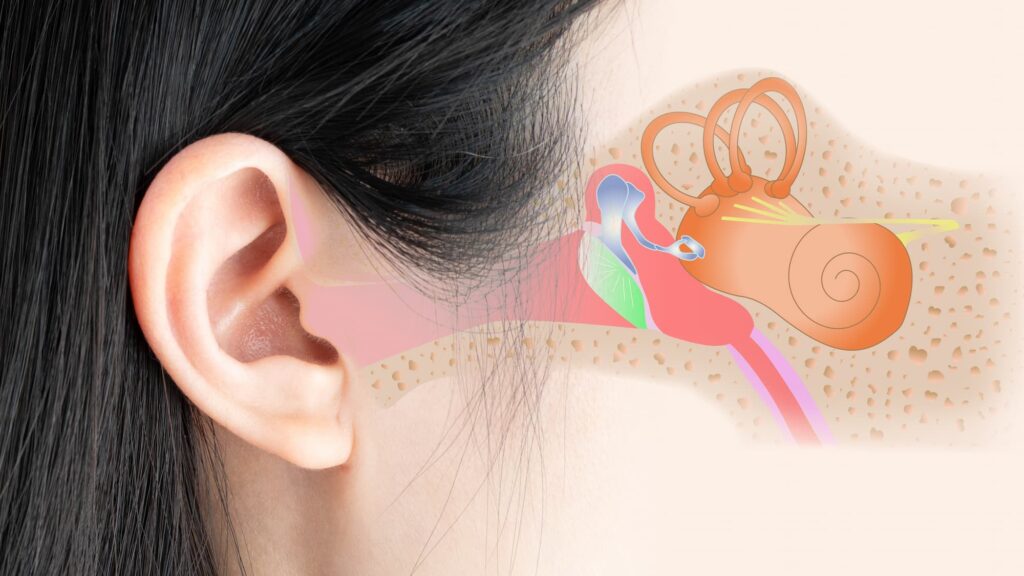
The human ear is a marvel of biological engineering, designed to capture and process sound waves with remarkable precision. It consists of three main parts: the outer ear, the middle ear, and the inner ear. Each plays a crucial role in the journey of sound from the environment to our brain.

  • Outer Ear: The outer ear, comprising the pinna and ear canal, acts as a funnel, capturing sound waves and directing them inward.
  • Middle Ear: When sound waves reach the eardrum, they cause it to vibrate. These vibrations are amplified by three tiny bones in the middle ear, known as the ossicles, which transmit the sound to the inner ear.
  • Inner Ear: The inner ear houses the cochlea, a fluid-filled spiral structure lined with hair cells. When vibrations reach the cochlea, they create waves in the fluid, stimulating the hair cells and converting sound into electrical signals sent to the brain via the auditory nerve.

The Process of Hearing

Hearing is not just about receiving sound; it’s about interpreting it. The brain plays a critical role in this process, analyzing the electrical signals from the auditory nerve to identify and differentiate various sounds. This involves complex neural networks that process elements like pitch, volume, and location, allowing us to understand speech, enjoy music, and recognize familiar sounds.

The Phenomenon of Sound Perception

Our perception of sound is influenced by various factors, including the environment, our attention, and even our emotions. The brain’s ability to focus on specific sounds while filtering out background noise, known as the “cocktail party effect,” demonstrates the intricate nature of auditory processing. This selective hearing allows us to concentrate on meaningful conversations and sounds, despite a noisy background.

Hearing Loss and Its Implications

Hearing loss affects millions of people worldwide, resulting from factors like aging, exposure to loud noise, and certain medical conditions. Understanding the science of hearing helps in the development of technologies and treatments, such as hearing aids and cochlear implants, which restore hearing and improve quality of life for those affected.

The Future of Hearing Science

Advancements in hearing science continue to open new possibilities for auditory research and solutions. From exploring the genetic basis of hearing loss to developing innovative auditory devices, the field is evolving rapidly. These advancements hold promise for enhancing our understanding of hearing and developing new ways to protect and restore this vital sense.

Conclusion

“Tuning In: The Science of Hearing” reveals the incredible complexity behind our ability to hear and the importance of this sense in our daily lives. By appreciating the intricate processes and challenges associated with hearing, we can better understand the profound impact of sound on our world and the ongoing efforts to improve auditory health and technology.

Simple Strategies for a Healthier Lifestyle: Health Hacks

In the fast-paced world we live in, maintaining a healthy lifestyle can often feel like a daunting task. However, incorporating simple health hacks into your daily routine can make a significant difference in your overall well-being. These strategies are designed to be easy to implement and can lead to lasting positive changes in your health. Here are some effective health hacks to consider:

  1. Hydrate with a Twist: Staying hydrated is crucial for maintaining optimal bodily functions. To make water more appealing and increase your intake, try infusing it with slices of lemon, cucumber, or berries. This not only adds a burst of flavor but also provides additional nutrients.
  2. Mindful Eating: Slow down and savor your meals. Eating mindfully can help you enjoy your food more and recognize when you’re full, preventing overeating. Put down your utensils between bites, chew slowly, and avoid distractions like your phone or the TV.
  3. The Power of Sleep: Quality sleep is essential for health. Establish a bedtime routine to signal your body it’s time to wind down. Limit screen time before bed, keep your bedroom cool and dark, and aim for 7-9 hours of sleep per night.
  4. Deskercise: If you have a sedentary job, make it a point to move regularly. Simple stretches or exercises like leg lifts, arm circles, or seated squats can be done right at your desk to keep your blood flowing and prevent stiffness.
  5. Snack Smart: Keep healthy snacks like nuts, yogurt, or fruit within reach to avoid the temptation of less nutritious options. Preparing these snacks in advance can save time and ensure you always have a healthy choice available.
  6. Tech-Free Time: Reduce your screen time by designating certain hours or activities as tech-free. This can help reduce stress, improve sleep quality, and encourage more face-to-face interactions.
  7. Nature Therapy: Spend time outdoors whenever possible. A walk in the park, a hike, or even a few minutes in your backyard can reduce stress, improve mood, and increase vitamin D levels if you’re in the sun.
  8. Meal Prepping: Dedicate some time each week to prepare healthy meals and snacks. This can save time and ensure you have nutritious options readily available, reducing the likelihood of opting for fast food or unhealthy snacks.
  9. Breathing Exercises: Incorporate deep breathing exercises into your day to reduce stress and improve focus. Even a few minutes of deep, controlled breathing can have a calming effect on your mind and body.
  10. Stay Connected: Maintain social connections with friends and family. Whether it’s a phone call, a video chat, or a meet-up, social interaction is vital for mental health and can provide a sense of belonging and support.
  11. Limit Processed Foods: Try to minimize your intake of processed foods, which are often high in sugar, salt, and unhealthy fats. Opt for whole foods like vegetables, fruits, lean proteins, and whole grains instead.
  12. Use Smaller Plates: Trick your mind into eating less by using smaller plates. This can help control portion sizes and prevent overeating without feeling deprived.
  13. Gratitude Journal: Keep a gratitude journal to focus on the positive aspects of your life. Writing down things you’re thankful for each day can improve your mood and overall outlook on life.
  14. Regular Check-Ups: Don’t neglect your health. Regular check-ups with your healthcare provider can help catch potential issues early and keep you informed about your health status.
  15. Laugh Often: Laughter is a powerful tool for reducing stress and improving mood. Watch a funny movie, read a humorous book, or spend time with friends who make you laugh.

Incorporating these health hacks into your daily routine doesn’t require a complete overhaul of your lifestyle. Small, consistent changes can lead to significant improvements in your health and well-being. Remember, the journey to a healthier lifestyle is a marathon, not a sprint. Start with one or two hacks that resonate with you and gradually build from there. Your body and mind will thank you for it.