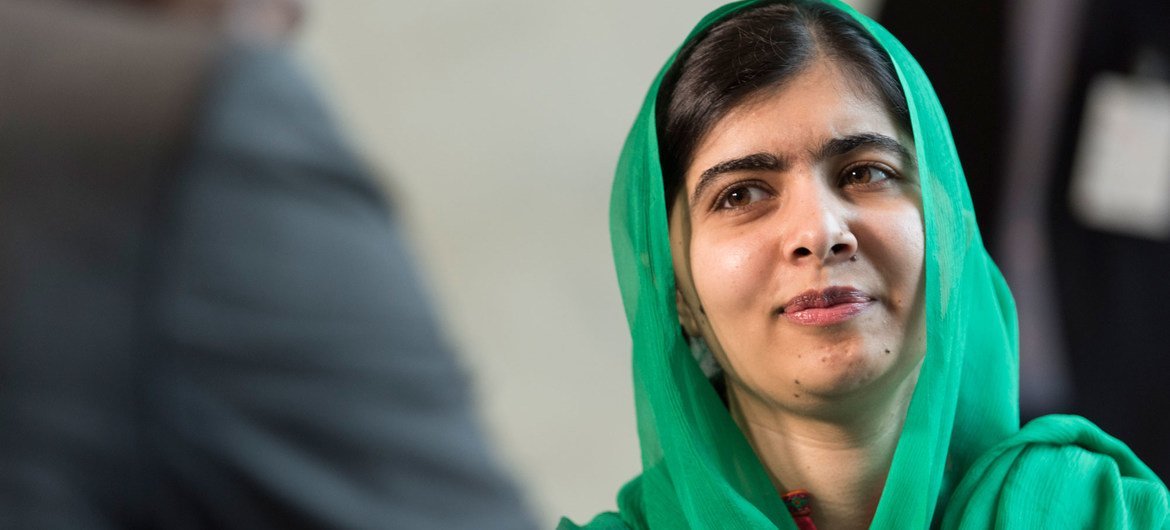
providencemarianwood.org – Malala Yousafzai is one of the most remarkable and influential figures of the 21st century. A Pakistani activist for female education, Malala has become a symbol of resilience, courage, and hope in the face of extreme adversity. She is the youngest-ever recipient of the Nobel Peace Prize and has dedicated her life to advocating for the rights of girls to receive an education. Despite facing life-threatening violence, Malala continues to inspire millions around the world with her unwavering commitment to education, equality, and social justice.
This article explores the life, struggles, triumphs, and global impact of Malala Yousafzai, who has transcended her personal story to become a global icon for education and human rights.
Early Life: A Journey Rooted in Advocacy
Humble Beginnings in Swat Valley
Malala was born on July 12, 1997, in Mingora, a town in Pakistan’s Swat Valley, to Ziauddin Yousafzai and Tor Pekai Yousafzai. Malala’s father, a teacher and education activist, played a pivotal role in her life and was a strong advocate for girls’ education in a region where it was often denied to girls. Growing up in a society where cultural and religious norms restricted women’s freedoms, Malala was encouraged by her father to pursue her education with passion and determination.
Swat Valley, once known as the “Switzerland of Pakistan,” had a rich cultural history and was home to breathtaking landscapes, but by the time Malala was born, it had become a hotbed for extremist activity. The Tehrik-i-Taliban Pakistan (TTP), an extremist group with a strict interpretation of Islamic law, had gained significant power in the region, and girls’ education had become one of their primary targets.
Early Education and Advocacy
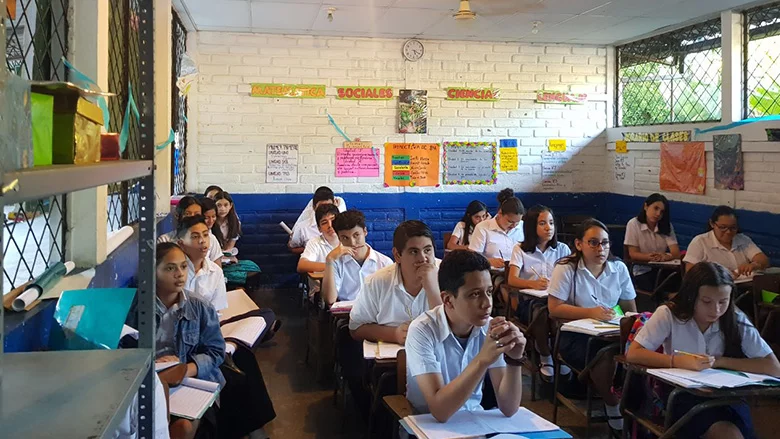
Malala’s love for learning was nurtured by her father, who ran a school in Mingora and was a strong advocate for the education of girls. Malala attended this school and excelled academically, but as the Taliban’s influence grew, she witnessed increasing attacks on schools and female students. In a society where girls were often denied education, Malala’s father instilled in her the belief that education was not only a fundamental right but also the key to social progress and change.
In 2007, when Malala was just 10 years old, the Taliban took control of Swat Valley and imposed harsh laws that severely limited the freedoms of women and girls. Schools for girls were shut down, and female students were threatened with violence. This situation deeply affected Malala, but it also fueled her resolve to speak out against the injustice she saw unfolding around her.
Malala’s Blog: A Voice for Change
In early 2009, when Malala was just 11 years old, she began writing a blog for the BBC Urdu under a pseudonym. The blog chronicled her life under the Taliban’s rule, her fears, and her desire for education. In her blog posts, Malala painted a vivid picture of the oppressive conditions faced by girls in Swat Valley and described her longing for the right to continue her education. Malala’s writing not only brought attention to the plight of girls in her region but also exposed the harsh realities of life under the Taliban’s control.
In her blog, Malala eloquently shared her dreams of becoming a doctor and her belief that education could provide girls with the power to change their lives and their communities. Her words resonated with people around the world, but they also caught the attention of the Taliban, who viewed her activism as a threat.
The Attack: A Turning Point in Malala’s Life
The Day That Changed Everything
On October 9, 2012, Malala’s life was forever altered. While she was riding home from school on a bus with her friends, a gunman boarded the bus, demanded to know which one of the girls was Malala, and then shot her in the head. The attack, which was later claimed by the Taliban, was an attempt to silence Malala’s activism and stop her from advocating for girls’ education.
Malala was severely wounded, and the world watched in horror as news of the attack spread. Her story sparked an outpouring of support from people around the globe, who rallied behind her and condemned the Taliban’s actions. Malala’s family was initially unsure of her survival, but after multiple surgeries and months of treatment in Pakistan and later in the United Kingdom, Malala defied the odds and began her remarkable recovery.
Global Support and Solidarity
In the aftermath of the attack, Malala became an international symbol of courage, resilience, and hope. Millions of people from around the world, including world leaders, celebrities, and activists, showed their support for her recovery and her continued fight for girls’ education. Malala’s story became a rallying cry for the global movement to ensure that girls everywhere had access to education, regardless of their gender, ethnicity, or socio-economic status.
In addition to the outpouring of support, Malala received numerous awards and honors, including the International Children’s Peace Prize, and was named one of TIME magazine’s 100 most influential people in the world. The attack on Malala had backfired, igniting a global conversation about the importance of education for girls and the need to combat extremism and discrimination.
Malala’s Advocacy: A Global Champion for Girls’ Education
The Malala Fund: Empowering Girls Worldwide
Following her recovery, Malala and her father Ziauddin founded the Malala Fund, an organization dedicated to advocating for girls’ education around the world. The Malala Fund works to empower girls in developing countries by investing in education programs and advocating for policy changes that promote education for all children. The fund’s mission is to ensure that girls, particularly those living in conflict zones or under oppressive regimes, have access to quality education and the opportunity to fulfill their potential.
The Malala Fund focuses on raising awareness about the barriers that girls face in accessing education, including poverty, child marriage, early pregnancy, and discrimination. The organization partners with local grassroots organizations and governments to provide educational opportunities and raise the voices of girls who are often marginalized and silenced.
The “Girl Programme”: Transforming Education Systems
The Malala Fund’s flagship initiative, the “Girl Programme,” focuses on supporting education initiatives in countries where girls are most at risk of being denied an education. Through this program, Malala works to ensure that girls in regions such as Pakistan, Afghanistan, Nigeria, and other parts of the world have access to safe and quality education. The program also advocates for increased investment in education and policy changes that prioritize girls’ rights to education.
Through the work of the Malala Fund, Malala continues to have a profound impact on the lives of girls around the world. Her advocacy has helped bring attention to the global education crisis and has called on governments and international organizations to take action to ensure that every girl can go to school.
Malala’s Nobel Peace Prize
In December 2014, Malala was awarded the Nobel Peace Prize, making her the youngest-ever recipient of the prestigious honor at the age of 17. She shared the award with Kailash Satyarthi, an Indian child rights activist who had worked tirelessly to end child labor. The Nobel Committee recognized Malala for her struggle against the suppression of children and young people and for the right of all children to education.
In her acceptance speech, Malala expressed her gratitude for the award and emphasized that it was not just for her but for every girl who is fighting for the right to go to school. She also highlighted the importance of education as a tool for peace, equality, and progress, stating, “One child, one teacher, one book, and one pen can change the world.”
Continuing the Fight for Education and Gender Equality
Since receiving the Nobel Peace Prize, Malala has continued her advocacy work and has traveled the world to speak with world leaders, educators, and young people about the importance of education. She has met with prominent figures such as former U.S. President Barack Obama, former Pakistani Prime Minister Imran Khan, and Queen Elizabeth II, and she continues to use her platform to raise awareness about global issues affecting girls and women.
Malala is also pursuing her education. In 2020, she graduated from the University of Oxford with a degree in Philosophy, Politics, and Economics (PPE), continuing to be a strong advocate for the power of education.
Malala’s Legacy: A Lasting Impact
Inspiring Future Generations
Malala’s story has inspired millions of people, especially girls, to pursue their dreams and fight for their rights. She has become a symbol of hope for those who face oppression and violence, showing them that education can be a transformative force for change. Her tireless advocacy has brought global attention to the need for educational equality and has helped shift the narrative on girls’ rights worldwide.
Through her words, actions, and the work of the Malala Fund, Malala has created a legacy that will last for generations. She has proven that one person, no matter how young, can make a difference in the world and that education is the key to unlocking the potential of every individual.
Conclusion: A Global Advocate for Change
Malala Yousafzai’s journey from a young girl in Pakistan fighting for her right to an education to becoming a global icon for education, equality, and empowerment is a powerful testament to the strength of the human spirit. Her unwavering commitment to girls’ education and her advocacy for human rights have left an indelible mark on the world.
Malala’s work continues to inspire people of all ages and backgrounds to stand up for education, equality, and justice. As she continues to champion the rights of girls and young people around the world, Malala Yousafzai’s legacy will undoubtedly shape the future of education and social change for years to come.