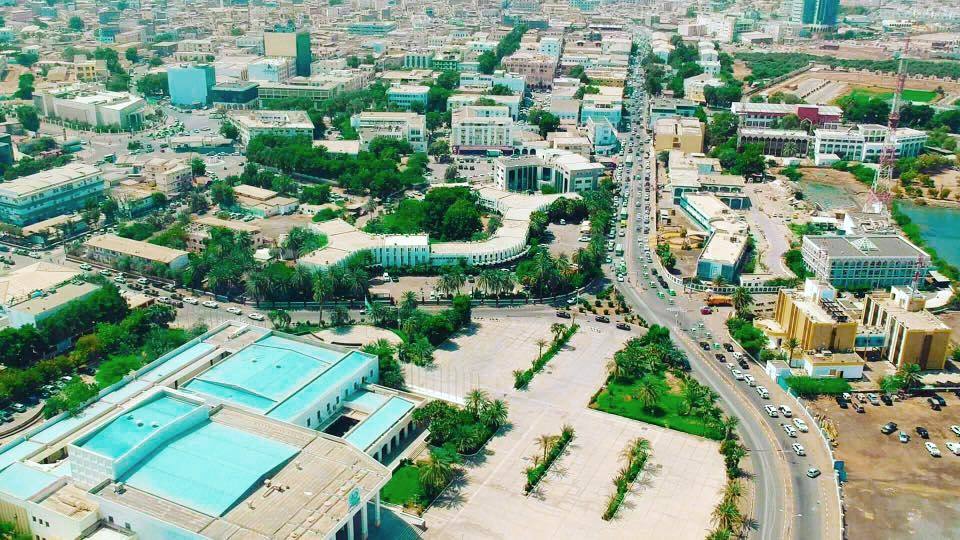
Trade and Infrastructure: The Economy of Djibouti

providencemarianwood.org – Djibouti, a small nation strategically located at the mouth of the Red Sea, has carved out a unique economic niche for itself in the Horn of Africa. Its economy is primarily driven by its status as a key maritime and logistics hub, leveraging its strategic location to facilitate trade between Africa, the Middle East, and Asia. This article delves into the trade dynamics and infrastructure developments that underpin Djibouti’s economic landscape.

Strategic Location and Trade Dynamics

Djibouti’s economy is heavily reliant on its role as a re-export and transit center. The country hosts one of the busiest ports in Africa, the Port of Djibouti, which handles a significant portion of Ethiopia’s trade, given that landlocked Ethiopia is one of the fastest-growing economies in the region. This reliance on transit trade underscores the importance of Djibouti’s strategic location, which has positioned it as a critical gateway for regional trade.

The government of Djibouti has actively pursued policies to enhance its role as a trade hub. This includes diversifying its economic base by attracting foreign investment, particularly in the logistics and infrastructure sectors. The country has also invested in expanding its port facilities and developing free trade zones to further boost its trade capabilities.

Infrastructure Development

Infrastructure development has been a cornerstone of Djibouti’s economic strategy. The government has invested heavily in modernizing and expanding its port facilities, airports, and road networks to enhance its logistics capabilities. The expansion of the Port of Djibouti, for instance, has significantly increased its capacity to handle container traffic, making it one of the most advanced ports in Africa.

The Djibouti International Free Trade Zone (DIFTZ) is another testament to the country’s commitment to infrastructure development. Established to attract foreign investment and boost trade, the DIFTZ offers numerous incentives to businesses, including tax exemptions and streamlined customs procedures. This initiative has not only contributed to the diversification of Djibouti’s economy but has also positioned the country as a regional hub for manufacturing and logistics.

Challenges and Opportunities

Despite its strategic advantages and infrastructure investments, Djibouti faces several challenges that could impact its economic growth. The country’s heavy reliance on transit trade makes it vulnerable to regional instability and fluctuations in the Ethiopian economy. Additionally, Djibouti’s high levels of public debt, incurred largely through infrastructure projects, pose a risk to its fiscal stability.

However, Djibouti’s strategic location and ongoing infrastructure development projects present significant opportunities for future growth. The country’s efforts to diversify its economy, coupled with its commitment to enhancing its logistics capabilities, could further solidify its role as a key trade and logistics hub in the Horn of Africa.

In conclusion, Djibouti’s economy is intricately linked to its role as a trade and logistics hub. The country’s strategic location, combined with ongoing infrastructure development, positions it as a critical player in regional trade dynamics. While challenges remain, Djibouti’s proactive approach to economic diversification and infrastructure investment bodes well for its future economic prospects.

Building a Career Without a Degree: The Skilled Trades

providencemarianwood.org – In a world where the pursuit of a four-year degree has long been touted as the golden ticket to a successful career, the skilled trades have emerged as a viable and often overlooked alternative. These trades, which include carpentry, plumbing, electrical work, and many others, offer a path to financial stability, job satisfaction, and professional growth without the need for a traditional college education.

The Growing Demand for Skilled Tradespeople

As the baby boomer generation retires, there is a widening gap in the workforce that needs to be filled. The skilled trades are no exception, with a significant number of experienced professionals leaving the field and not enough new talent to replace them. This has led to a surge in demand for skilled tradespeople, creating a wealth of opportunities for those willing to learn the necessary skills.

The Path to a Skilled Trade Career

Entering the skilled trades typically requires a combination of vocational training, apprenticeships, and on-the-job experience. Vocational schools and community colleges offer programs that can range from several months to two years, providing the foundational knowledge and skills required for a particular trade.

Apprenticeships are another cornerstone of skilled trade education. These are structured programs that combine paid on-the-job training with classroom instruction. Apprentices work under the supervision of experienced tradespeople, gaining hands-on experience while earning a wage.

Benefits of a Career in the Skilled Trades

One of the most appealing aspects of a career in the skilled trades is the earning potential. Many tradespeople can earn a comfortable living, often surpassing the salaries of those with bachelor’s degrees. Additionally, the trades offer a sense of accomplishment that comes from building and repairing things with your own hands.

Another benefit is job security. As essential workers, tradespeople are less likely to be affected by economic downturns. The need for infrastructure maintenance and construction is constant, ensuring a steady stream of work.

Overcoming Misconceptions

Despite the clear advantages, the skilled trades often suffer from outdated stereotypes. There is a misconception that these careers are less prestigious or less intellectually challenging than those requiring a college degree. However, the skilled trades require a high level of technical knowledge, problem-solving skills, and physical dexterity.

Moreover, the trades offer opportunities for advancement. Many skilled workers go on to start their own businesses, become foremen or project managers, or even transition into related fields such as engineering or architecture.

Embracing the Future of Skilled Trades

As technology advances, the skilled trades are evolving as well. Tradespeople now work alongside cutting-edge tools and techniques, from computer-aided design (CAD) software to green building practices. This integration of technology opens up new avenues for innovation and growth within the trades.

Conclusion

The skilled trades offer a rewarding career path that is accessible, financially viable, and essential to the functioning of society. By dispelling myths and highlighting the benefits, we can encourage more individuals to consider these professions as a viable option for building a successful and fulfilling career without a traditional college degree.