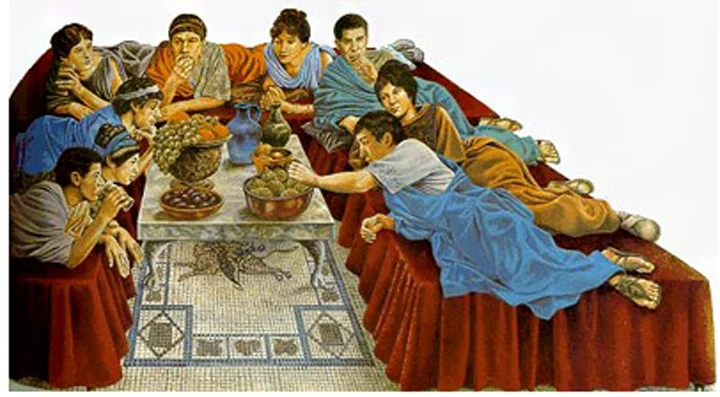
The Roman Feast: Dining in Ancient Rome

providencemarianwood.org – The grandeur of ancient Rome extended beyond its architecture and military prowess to the dining tables of its citizens. Roman feasts were not merely meals but cultural events that reflected the social hierarchy, culinary innovations, and the empire’s vast reach. This article explores the intriguing world of ancient Roman dining, from the sumptuous banquets of the elite to the everyday meals of the common people.

Historical Context

Dining in ancient Rome was a reflection of its society and economy. The Roman Empire’s expansion brought an influx of ingredients and culinary techniques from across the known world. The fusion of these diverse influences led to a rich and varied cuisine that catered to different classes and tastes.

The Roman Banquet

The Roman “convivium,” or banquet, was a lavish affair, particularly for the wealthy elite. These gatherings were social events where political alliances were forged, and cultural ideas were exchanged. Banquets often featured multiple courses, with a focus on exotic and luxurious ingredients such as peacock, ostrich, and imported spices.

Guests reclined on couches arranged in a “triclinium” (a three-couch setup), reflecting the Greek influence on Roman dining. The act of reclining was reserved for the free citizens, emphasizing their status and leisure.

Everyday Meals

For the average Roman citizen, meals were simpler but still diverse. The typical diet consisted of grains, vegetables, legumes, and small portions of meat or fish. “Puls,” a porridge made from emmer wheat or barley, was a staple. Bread, olives, and wine were also common components of daily meals.

Street food played a significant role in urban areas, with vendors selling ready-to-eat items like sausages, bread, and chickpea pancakes. These offerings provided a quick and affordable option for the bustling urban populace.

Culinary Innovations

Romans were known for their culinary creativity. They developed complex sauces and seasonings, using ingredients like garum (a fermented fish sauce), honey, and vinegar. Apicius, a Roman gourmand, compiled one of the earliest known cookbooks, documenting recipes and culinary techniques that highlight the sophistication of Roman cuisine.

Cultural Significance

Dining in ancient Rome was more than nourishment; it was a cultural experience that reinforced social bonds and hierarchies. Feasts were opportunities to display wealth and hospitality, while daily meals reflected the resourcefulness and adaptability of the Roman people.

Conclusion

The dining customs of ancient Rome offer a fascinating insight into the empire’s cultural and social dynamics. From elaborate banquets to humble street food, Roman cuisine was a testament to the creativity and diversity of its people. Today, the legacy of Roman dining continues to influence modern culinary practices, reminding us of the enduring connection between food and society.
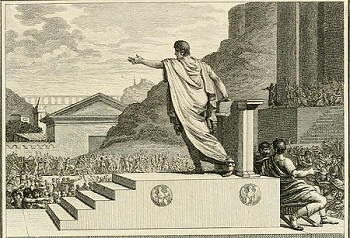
The Tribune: A Sacrosanct Roman Official

providencemarianwood.org – In ancient Rome, the Tribune was a highly respected and sacrosanct official endowed with the power known as tribunicia potestas. This unique authority granted the Tribune the ability to veto actions by other magistrates and to protect the plebeians from the patrician class. The institution of the Tribune played a crucial role in the governance of Rome, reflecting the complex interplay of social classes and political powers within the Republic.

The Origins and Evolution of the Tribune

The office of the Tribune emerged in the 5th century BC as a result of the struggles between the plebeians and patricians. Initially, Tribunes were elected to represent the interests of the plebeian class and to protect them from the arbitrary actions of the patrician magistrates. Over time, the role of the Tribune evolved, and by the late Republic, it had become one of the most influential positions in Roman politics.

The Sacrosanctity of the Tribune

One of the most distinctive features of the Tribune was their sacrosanctity. This meant that any harm done to a Tribune was considered a sacrilege, punishable by death. This protection ensured that Tribunes could carry out their duties without fear of retribution from the powerful patricians.

The Powers of the Tribune

The tribunicia potestas granted the Tribune several key powers:

  • Veto Power: Tribunes could veto the actions of other magistrates, including the Senate. This power was crucial in preventing legislation that favored the patricians at the expense of the plebeians.
  • Legislative Initiatives: Tribunes could propose laws and call for plebiscites, which were direct votes by the plebeian assembly. This allowed them to bypass the Senate and directly influence the legislative process.
  • Protection of the Plebeians: Tribunes had the authority to intervene on behalf of plebeians in legal matters and to protect them from abuses by the patrician magistrates.

The Tribune in Roman Politics

The Tribune’s role in Roman politics was both dynamic and controversial. On one hand, Tribunes were seen as champions of the people, fighting against the entrenched power of the patricians. On the other hand, ambitious individuals could use the office to advance their personal agendas, often leading to political instability.

Notable Tribunes

Several Tribunes left a lasting mark on Roman history, including:

  • Tiberius Gracchus: A Tribune who attempted to reform land distribution in favor of the plebeians, leading to his violent death and a political crisis.
  • Gaius Gracchus: Brother of Tiberius, he continued his brother’s reforms and expanded the powers of the Tribune, ultimately meeting a similar fate.
  • Julius Caesar: Before his rise to dictatorship, Caesar held the office of Tribune, using it to build his political base and challenge the Senate.

Conclusion

The Tribune was a cornerstone of the Roman Republic, embodying the tensions and dynamics of Roman society. Through their sacrosanct tribunicia potestas, Tribunes played a critical role in shaping Roman law, politics, and the balance of power between the social classes. Their legacy is a testament to the enduring influence of this unique institution in the history of governance and democracy.