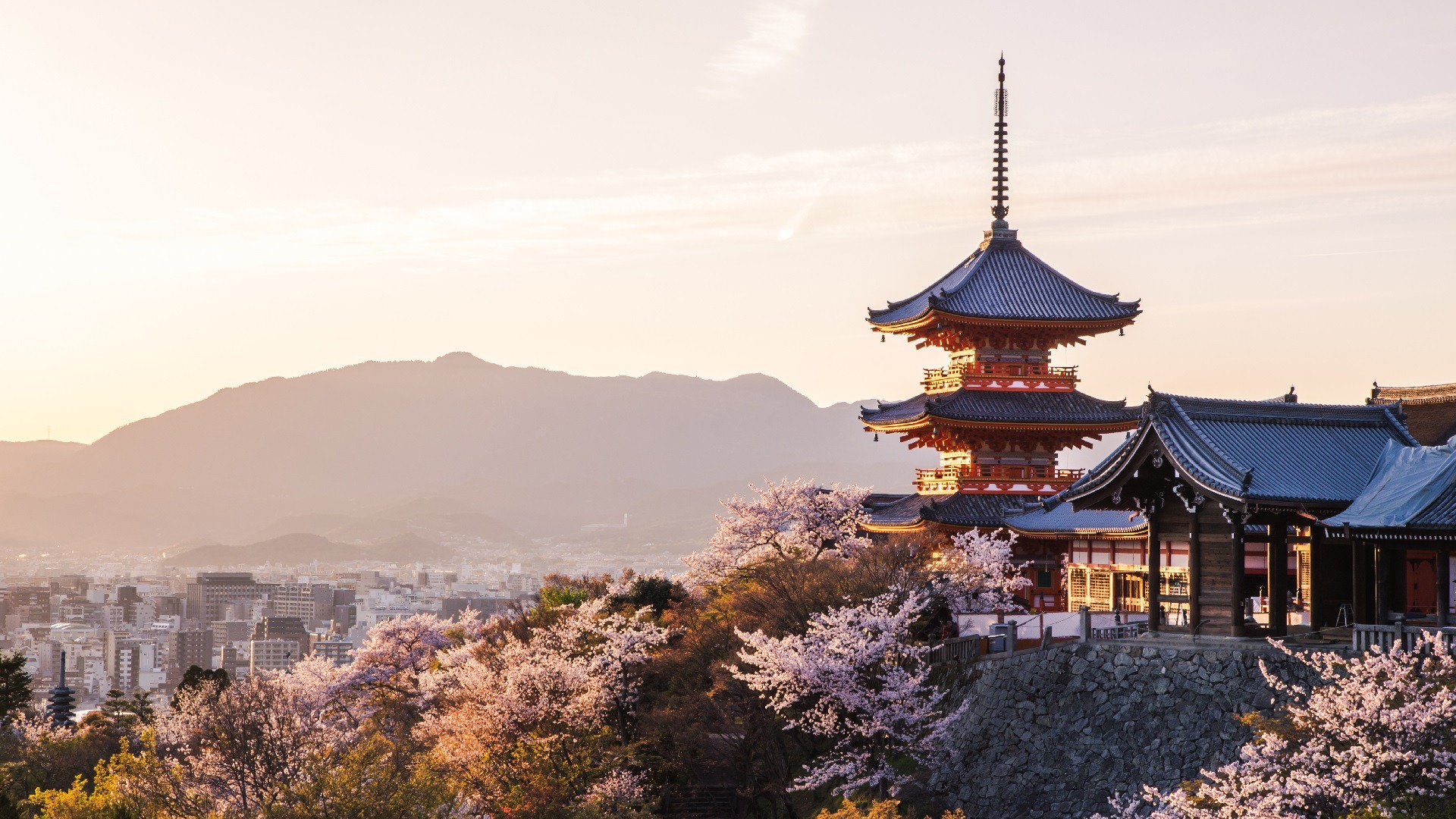
Kiyomizu-dera: A Timeless Jewel of Kyoto, Japan

providencemarianwood.org – Kiyomizu-dera, officially known as Otowa-san Kiyomizu-dera, is one of Japan’s most celebrated Buddhist temples. Located in the historic city of Kyoto, it is a UNESCO World Heritage Site and a prime example of traditional Japanese architecture and spiritual practice. The temple’s name translates to “Pure Water Temple,” derived from the Otowa Waterfall that runs beneath its main hall.

Historical Background

Founded in 778 during the Heian period, Kiyomizu-dera has a long and storied history. Although the original structures have been rebuilt several times due to fires and natural disasters, the temple remains a significant cultural and religious site. It is dedicated to Kannon, the Buddhist deity of compassion, and has been a place of pilgrimage and worship for centuries.

Architectural Marvel

Kiyomizu-dera is renowned for its stunning architecture, particularly the main hall (Hondo), which features a large wooden stage that juts out over the hillside. This stage offers breathtaking views of the surrounding cherry and maple trees, which change with the seasons, providing a picturesque backdrop. The temple is constructed without the use of nails, showcasing the ingenuity and skill of ancient Japanese carpenters.

Cultural Significance

The temple holds a special place in Japanese culture and is associated with various legends and traditions. One popular saying, “to jump off the stage at Kiyomizu,” refers to taking a leap of faith, inspired by an Edo period tradition where people believed that if one survived a 13-meter jump from the stage, their wish would be granted. Today, the temple continues to be a site of spiritual significance and a popular destination for both locals and tourists.

Visiting Kiyomizu-dera

Visitors to Kiyomizu-dera can explore its numerous halls and pagodas, each with its unique history and charm. The temple grounds are also home to the Otowa Waterfall, where visitors can drink from one of three streams, each believed to confer a different benefit: longevity, success in academics, or a fortunate love life. The temple’s surroundings offer a serene escape and a chance to experience Kyoto’s rich cultural heritage.

Conclusion

Kiyomizu-dera stands as a timeless symbol of Kyoto’s historical and spiritual legacy. Its architectural beauty and cultural importance make it an essential stop for anyone looking to explore Japan’s rich traditions and natural beauty. The temple continues to inspire visitors with its tranquility and enduring charm.

Japan’s Innovative Approach to Sports Tourism

providencemarianwood.org – Japan has been at the forefront of integrating sports with tourism, creating a unique and immersive experience that attracts tourists from around the world. This innovative approach not only enhances the visitor experience but also revitalizes local economies and promotes cultural exchange.

Uniting Sports, Culture, and Tourism

Japan’s strategy to blend sports, culture, and tourism is evident in its various initiatives and programs. The “Sports Culture Tourism Award 2023” was launched to revitalize regions by showcasing unique sports events and cultural experiences. This initiative highlights the importance of sports in fostering a deeper connection with Japanese culture and heritage.

Infrastructure Development and Collaboration

The Japan Sport Tourism Alliance (JSTA) plays a crucial role in developing infrastructure and proposing improvements to enhance the convenience of sports activities at travel destinations. This includes collaborations with universities and other organizations to ensure that sports tourism is well-supported and sustainable.

Sports Tourism Experiences

Japan offers a wide range of sports tourism experiences that cater to different interests. From traditional martial arts like kendo and karate, which can be experienced in their birthplaces like Okinawa, to modern urban sports that attract global attention. These experiences not only provide physical activity but also offer insights into Japanese culture and history.

Sustainability and Future Trends

Sport tourism in Japan is also focused on sustainability, with an emphasis on utilizing natural resources and promoting eco-friendly practices. The country’s diverse natural landscapes, from mountains to beaches, provide the perfect backdrop for various sports activities.

Global Influence and Future Prospects

Japan’s innovative approach to sports tourism is not only boosting its domestic economy but also positioning it as a global leader in this field. The country’s commitment to hosting major international sports events, such as the Tokyo Olympics, further enhances its reputation as a sports tourism destination.

Conclusion

Japan’s innovative approach to sports tourism is a testament to its ability to blend tradition with modernity, creating unique experiences that appeal to a wide range of visitors. By leveraging its rich cultural heritage and natural resources, Japan continues to set new standards in the global sports tourism industry. As the country looks forward to hosting more international events, the future of sports tourism in Japan looks promising and exciting.